The Practice of Stepping Away - Friday, 06/12/2026

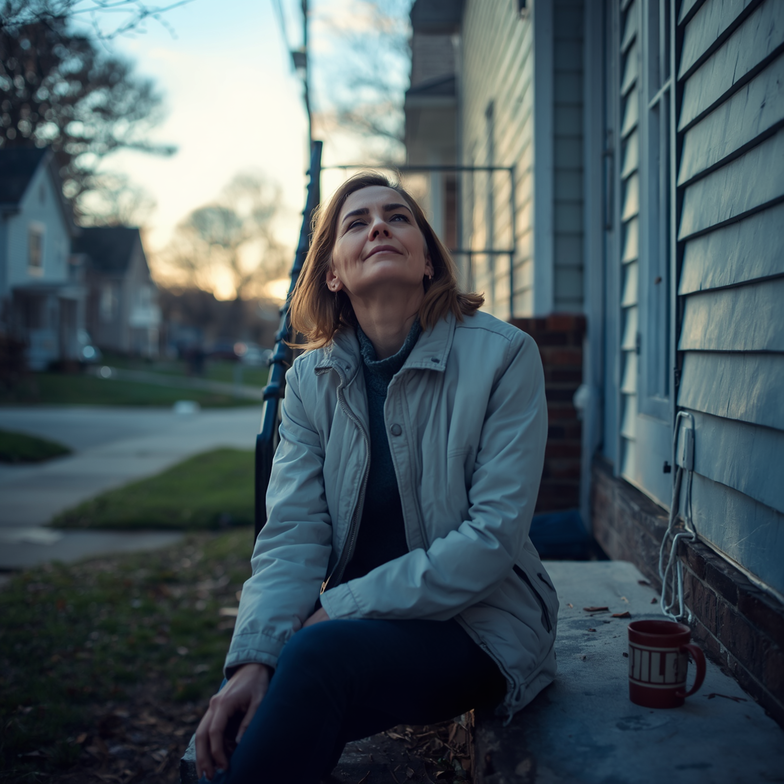
The Practice of Stepping Away - Friday, 06/12/2026
Scripture: Luke 5:15–16; Mark 1:35–37
In two different gospel accounts we see the same pattern in Jesus' life: the demand on him was high, the crowds were pressing in, the needs were real and urgent — and Jesus stepped away to pray. Luke says he often withdrew. Mark says he rose very early in the morning, while it was still dark. This was not a spiritual habit Jesus maintained when things were slow. This was a deliberate, recurring practice precisely when things were most demanding. The busyness was the reason to withdraw, not the excuse to skip it.
Many of us reverse that logic. When life slows down, we might take time for prayer or reflection. But when life accelerates — when the deadlines pile up, the family needs more, the schedule fills — quiet time with God is usually the first thing to go. We tell ourselves we'll return to it when things settle. But for Jesus, the relentless pace of public life was exactly why solitude was non-negotiable. He did not withdraw because the work didn't matter. He withdrew because it did.
There is a real difference between escaping and withdrawing. Escape is running away from something. Withdrawal is moving toward something — in this case, toward God, toward center, toward the source of what sustains you. When Jesus withdrew, he was not avoiding the crowds. He was maintaining the connection that made him able to return to them fully. For those of us who pour ourselves out for family, work, community, and church, withdrawal is not selfishness. It is sustainability.
This practice is available to people in every season of life. A parent doesn't need a retreat center — five minutes in the car before walking into the house can be a withdrawal toward God. A retiree doesn't need a week away — twenty quiet minutes before the news comes on is a practice of intentional return. The form matters less than the faithfulness. Jesus showed us that withdrawal is not the exception to a full life. It is the condition for one.
Reflection Question: When life gets busiest, is prayer the first thing to go or the thing you protect? What does your answer reveal about how you understand the relationship between busyness and spiritual health?
Action Step: Identify one transition point in today's schedule — leaving the house, arriving at work, the end of lunch, getting in the car after school pickup — and turn that two-to-five minute window into a deliberate withdrawal. Before you move into the next thing, breathe slowly and say: "God, I'm returning to you before I move forward." Do it once today, then notice if you want to build it in tomorrow.
Prayer: God — you withdrew before you returned, and you showed me I need to do the same. Help me protect even five minutes today as time that belongs to you. Not because I've earned a break, but because I need the Source. Amen.